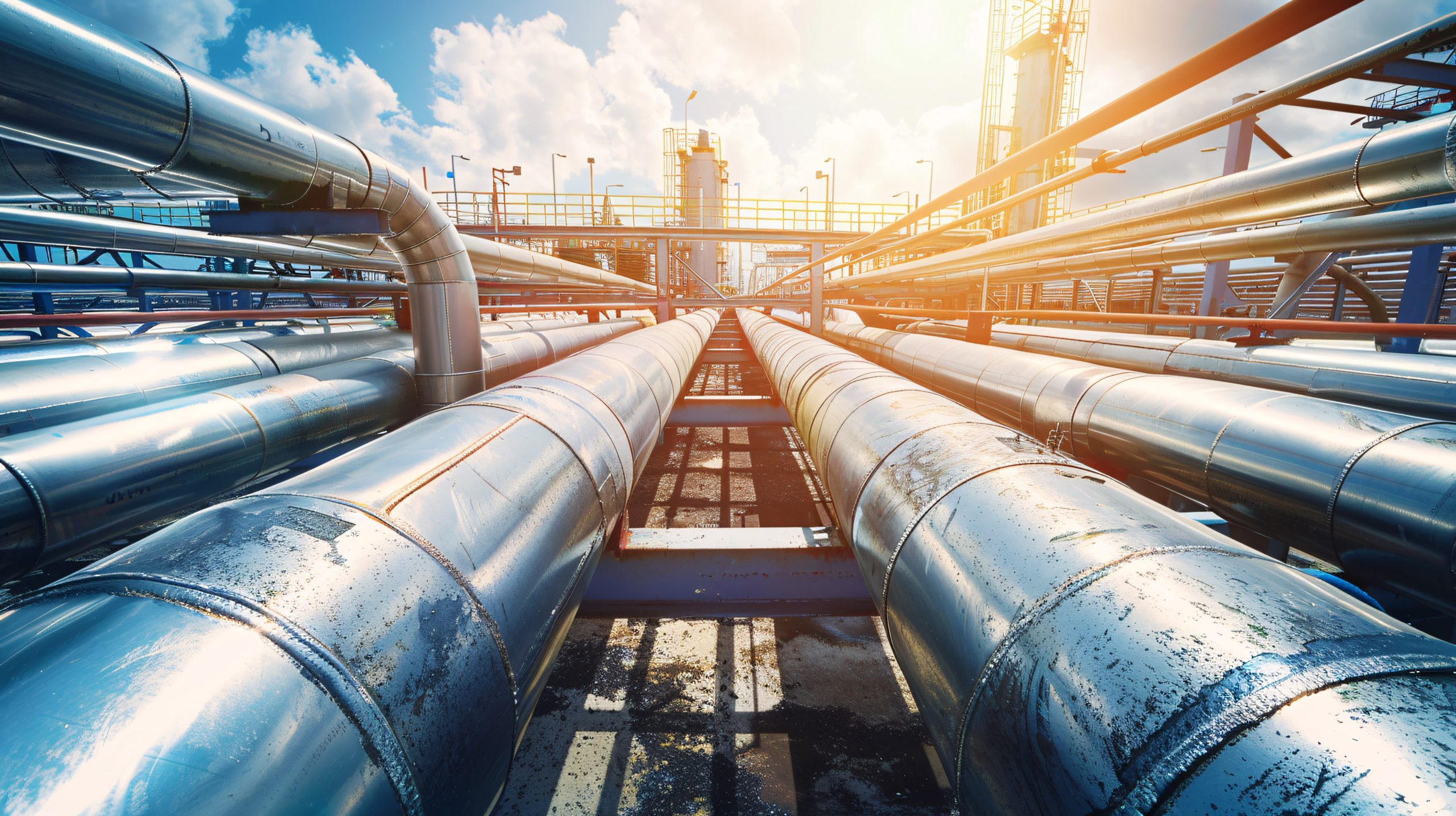

Installation & Compliance of Industrial Gas Piping Systems in Singapore
Industrial gas piping systems in Singapore form the backbone of manufacturing, petrochemical, food and beverage, and energy operations. These systems carry natural gas, LPG, and a range of speciality gases at varying pressures, making precision engineering and strict compliance non-negotiable. In a tightly regulated environment governed by the Energy Market Authority (EMA) and Workplace Safety and Health (WSH) standards, proper installation and ongoing maintenance are critical to operational continuity and worker safety.
What Are Industrial Gas Piping Systems in Singapore?
Industrial gas piping systems are engineered networks designed to transport gases from a supply source to end-use points within a facility. The gas industry distinguishes between several configurations:
- Gas type: natural gas, LPG, carbon dioxide, oxygen, nitrogen, and high-purity gases for specialised industrial applications
- Pressure class: low-pressure, medium-pressure, and high-pressure systems, each governed by distinct design and safety requirements
- Installation type: above-ground pipework within processing plants and factories, or underground pipeline networks for site-wide gas distribution
In Singapore, gas supply infrastructure is managed by City Energy, with the Energy Market Authority overseeing regulatory compliance across all gas piping services.
Singapore’s Regulatory Framework for the Gas Industry
The gas industry in Singapore operates under a rigorous compliance framework. Understanding this landscape is essential before any gas pipe installation begins.
Oversight by the Energy Market Authority
The Energy Market Authority regulates all gas service work under the Gas Act. This covers the design, installation, testing, maintenance, and repair of gas pipelines. All work must be carried out or directly supervised by licensed personnel.
Licensed Gas Service Workers and Gas Pipe Contractor Requirements
A Licensed Gas Service Worker (LGSW) must be engaged for any gas pipe installation or modification. Engaging an unlicensed contractor is a regulatory offence. For systems above certain pressure thresholds, a qualified Professional Engineer must also sign off on the completed works. Registered contractors must maintain documentation of their licensed gas service worker workforce on every project.
SS 608:2015 and Safety Standards
All gas pipe installation in Singapore must conform to SS 608:2015, the Singapore Standard covering design, material selection, installation, testing, and maintenance of gas service work. Additional requirements include:
- Building Control Act regulations administered by the Building and Construction Authority (BCA)
- Workplace Safety and Health (WSH) Act obligations for all industrial facilities
- Public Utilities Board (PUB) requirements where applicable
The Industrial Gas Piping Installation Process
A compliant gas pipe contractor follows a structured installation process that eliminates risk at every stage.
System Design and Engineering
Effective gas solutions begin at the design stage. Engineers calculate load requirements and pressure specifications, plan pipe routing to minimise exposure to heat sources and electrical systems, and design emergency shut-off and ventilation systems. For underground installations, construction management must account for soil conditions and separation from existing utilities.
Material Selection
Industrial gas pipes are typically fabricated from carbon steel, stainless steel, or HDPE, selected based on gas type, pressure class, and operating environment. Underground pipelines require corrosion-resistant coatings or cathodic protection to prevent degradation over time. All materials must conform to approved standards under SS 608:2015.
Fabrication and Installation
Welding procedures are central to gas pipe integrity. Approved welding methods and joint inspection protocols are applied throughout fabrication. Gas pipes must be properly supported, anchored, and positioned with adequate separation from electrical conduits and heat-generating equipment.
Safety Testing and Commissioning
Before any industrial gas piping system enters service, comprehensive safety testing is mandatory:
- Hydrostatic or pneumatic pressure testing to verify structural integrity
- Leak detection checks across all joints and connections
- Final inspection and certification by a licensed gas service worker or Professional Engineer
Safety testing is a hard gate, not a formality, under Singapore’s gas safety regulations.
Safety Standards for Industrial Facilities
Industrial facilities must implement safety infrastructure that goes beyond installation compliance:
- Fixed gas detection systems integrated with alarm and emergency shutdown controls
- Explosion-proof electrical equipment in classified hazardous zones
- Emergency isolation valves at critical points in the gas distribution system
- Ventilation design to prevent dangerous gas accumulation in enclosed spaces
Maintenance and Ongoing Compliance
Industrial gas piping systems require scheduled preventive maintenance to remain compliant and operationally reliable:
- Periodic inspections by a licensed gas service worker
- Corrosion monitoring and protective coating assessments for underground gas pipelines
- Audit-ready documentation for EMA and WSH inspections
- System reconfiguration to accommodate plant expansion or changes in gas supply requirements
Proactive maintenance reduces unplanned shutdowns, extends pipeline service life, and keeps operations compliant through regulatory audits.
Common Compliance Challenges in Singapore
Industrial operators frequently encounter these hurdles:
- Strict regulatory inspections: EMA and WSH audits require thorough documentation and fully licensed gas service workers on-site
- Retrofitting older facilities: Upgrading legacy gas pipelines to current standards (including SS 608:2015) often requires phased shutdowns and careful construction management
- Multi-agency approvals: Larger projects may require coordinated sign-offs from EMA, BCA, and PUB
- Minimising downtime: Industrial clients cannot absorb extended production interruptions; experienced gas pipe contractors plan installation and maintenance works to limit operational impact
Why Engage a Certified Industrial Gas Pipe Contractor
Certified Expertise Is the Foundation of Safe Industrial Gas Solutions. Engaging a certified gas pipe contractor is both a regulatory requirement and a sound risk management decision. A qualified contractor brings the following:
- Deep technical expertise in high-pressure systems and complex gas distribution networks
- Working knowledge of Singapore’s regulatory landscape, including EMA licensing, LGSW requirements, SS 608:2015, and WSH obligations
- End-to-end gas solutions covering design, material procurement, installation, safety testing, and maintenance
- Liability protection through proper insurance and a certified, compliant workforce
Lih Ming has delivered industrial gas piping solutions across Singapore since 2002. As an SP Group TOP 5 Contractor for six consecutive years and holder of ISO 9001:2015, ISO 14001:2015, and ISO 45001:2018 certifications, Lih Ming operates to the highest standards in the gas industry. From new gas distribution systems to pipeline upgrades and ongoing maintenance, Lih Ming’s licensed gas service workers and professional engineers deliver reliable, compliant outcomes.
Industrial Gas Piping Done Right: From First Design to Final Certification
Industrial gas piping systems are critical infrastructure. In Singapore’s tightly governed gas industry, there is no margin for shortcuts in installation, compliance, or maintenance. Partnering with an experienced, certified gas pipe contractor from the outset is the most reliable path to safe, efficient operations.
Partner with Lih Ming for compliant, high-performance industrial gas piping installation and maintenance solutions in Singapore. Contact Lih Ming to discuss your next project.