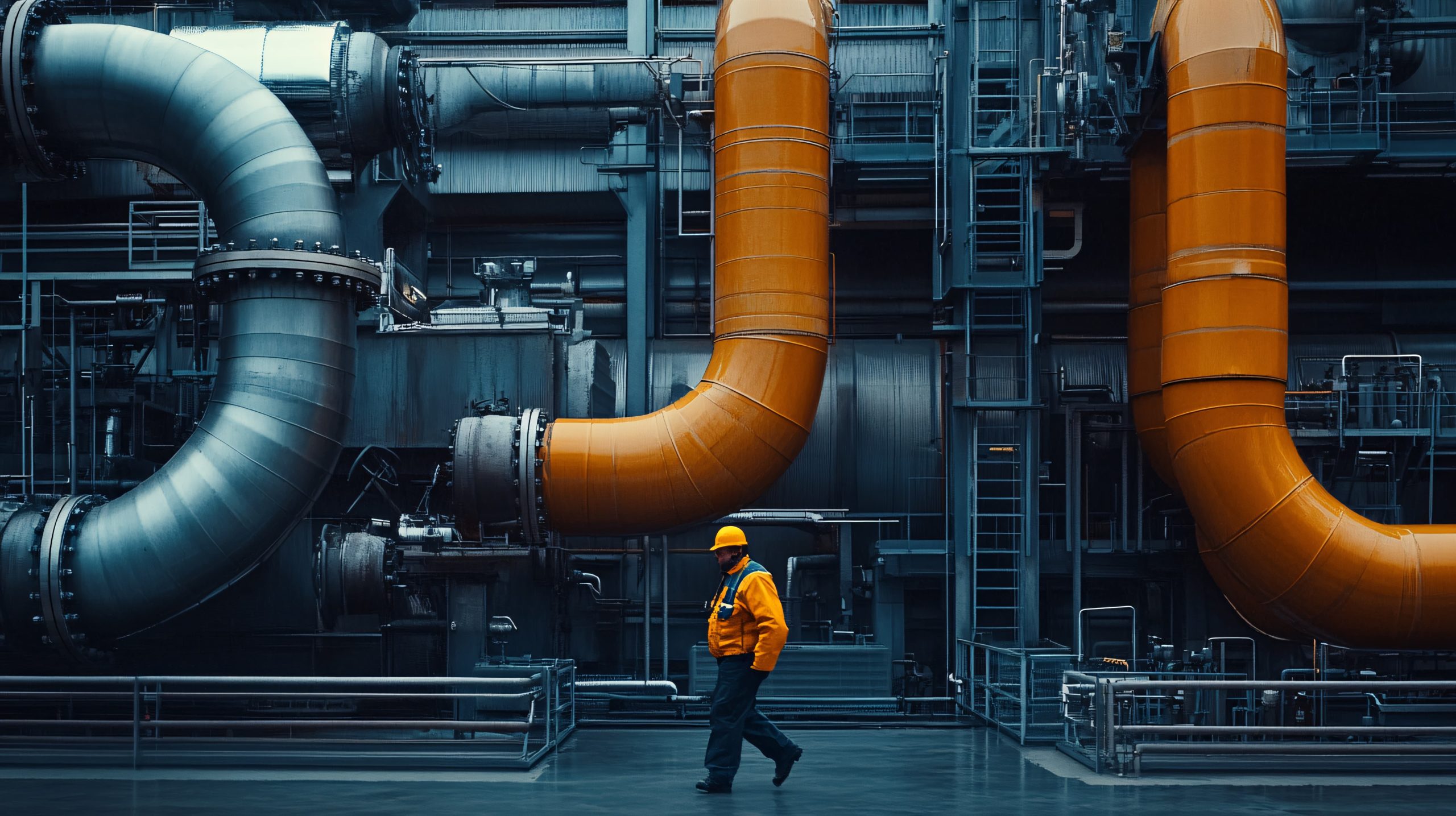

Gas Pipeline Safety Standards for Businesses
Commercial kitchens, factories, industrial plants, and warehouses operate in environments where large-scale gas usage amplifies operational risk significantly. A single breach in gas pipeline safety can trigger catastrophic consequences: fires, explosions, regulatory shutdowns, and personal injury claims that threaten business continuity. For businesses in Singapore, gas pipeline safety standards are not discretionary; they are operational necessities governed by strict national legislation and enforced by statutory authorities.
This guide outlines the key gas pipeline safety standards and compliance requirements that commercial and industrial operators must understand.
Regulatory Compliance for Gas Installations in Singapore
Singapore’s gas safety regulatory framework is administered by the Energy Market Authority (EMA) under the Gas Act and associated regulations. The framework’s primary objective is to protect the public from risks arising from the production, conveyance, supply, and use of natural gas across the pipeline network.
Key regulatory requirements include:
- All gas installations must comply with the EMA Gas Safety Code
- Pipeline operators are required to implement formal safety plans incorporating risk assessment and mitigation strategies
- Risks must be reduced to “as low as reasonably practicable” (ALARP), which is a legal standard, not merely a best practice
- Gas service workers must hold valid licences issued through EMA’s e-Licence Information Services (ELISE) portal
- Mandatory inspections and regulatory approval are required before commissioning any gas installation
Unlicensed gas work is a statutory offence and can void insurance coverage entirely.
Design and Engineering Safety Standards for Gas Pipelines
Proper System Design for Natural Gas Pipeline Safety
Safe gas installations begin at the design stage. Engineers must calculate load requirements accurately, specify appropriate pressure regulators, and plan emergency shut-off valve placement at critical points in the network. Ventilation design must account for gas dispersion in enclosed commercial spaces to prevent hazardous accumulation.
International standards from bodies such as the American Petroleum Institute (API) and guidelines from the Pipeline and Hazardous Materials Safety Administration (PHMSA) are widely referenced by pipeline industry professionals and inform local design practice alongside Singapore’s national codes.
Material and Equipment Standards
Industrial gas systems require:
- Industrial-grade pipes and fittings rated for the operating pressure of the gas supply
- Corrosion-resistant materials, particularly for underground gas installations exposed to soil conditions
- Explosion-proof components in high-risk zones such as commercial kitchens and boiler rooms
Installation by Certified Gas Service Workers
Under Singapore regulations, gas installations must be carried out only by licensed gas service workers. Certified installers are required to conduct pressure testing during commissioning and produce full compliance documentation, including as-built drawings and test certificates, before any gas supply is activated.
Gas Leak Detection and Pipeline Safety Monitoring Systems
Fixed Detection for High-Risk Zones
Fixed gas detection systems provide continuous monitoring in high-risk commercial and industrial zones. Modern installations integrate sensors with fire alarm systems and Building Management Systems (BMS), enabling automated alerts and emergency shut-off sequences without manual intervention.
Portable gas detection equipment is essential for routine inspection rounds and confined space monitoring, where pockets of natural gas or other gases can accumulate without triggering fixed sensors.
Pressure and Integrity Testing
Hydrostatic and pneumatic testing must be completed before any pipeline is brought into service and repeated on a scheduled basis thereafter. For buried pipelines, excavation within 0.5 metres of a gas pipeline must be carried out by hand only, not by machine, to prevent accidental rupture during maintenance or construction work nearby.
Preventive Maintenance: A Core Safety Standard
A scheduled maintenance programme is not optional for businesses managing gas installations. Requirements include:
- Regular valve and regulator testing
- Corrosion monitoring and pipe condition assessment, with replacement cycles planned before structural degradation occurs
- Maintenance logs are maintained as compliance records, available for regulatory inspection at any time
Businesses that defer maintenance to reduce costs frequently face higher long-term expenditure through emergency repairs, insurance claims, and regulatory penalties.
Workplace Safety and Staff Training
Employee gas safety awareness is a critical but often underinvested pillar of pipeline safety compliance. All personnel working near gas installations should receive training in:
- Safe handling procedures around gas appliances and pipeline access points
- Emergency response protocols, including immediate isolation and evacuation procedures
- PPE requirements for maintenance teams
Regular emergency response drills should be documented as part of the business’s formal safety management system.
Emergency Preparedness and Incident Management
A gas leak response protocol must be established before any incident occurs. Key elements include the following:
- Immediate isolation procedures: knowing which shut-off valves to activate and in what sequence
- Evacuation planning with designated assembly points and personnel accountable for headcounts
- Coordination procedures with the Singapore Civil Defence Force (SCDF) and utility providers
Pipeline operators must ensure that emergency contact chains are current and that gas pipeline access points are clearly marked and unobstructed at all times.
Common Risks in Commercial and Industrial Environments
The most frequent causes of gas pipeline safety failures in commercial settings include:
- Ageing infrastructure: pipes beyond their service life without documented replacement schedules
- Unauthorised modifications: any alteration to a gas installation without a licensed gas service worker and regulatory approval is both illegal and dangerous
- Poor maintenance practices: deferred servicing leading to undetected corrosion, regulator drift, or valve failure
- High-pressure system failures: typically the result of inadequate load calculations at the design stage
Protecting Your Business Starts with Compliant Gas Pipeline Safety Standards
The business case for rigorous gas pipeline safety standards extends well beyond legal compliance. Robust safety management reduces fire and explosion risk, avoids costly operational downtime, lowers insurance premiums, and strengthens a business’s standing with regulators, insurers, and clients. For Singapore’s pipeline industry, the cost of non-compliance consistently exceeds the cost of getting it right from the outset.
Partner with Lih Ming to ensure safe, compliant, and professionally managed gas pipeline systems for your commercial or industrial facility. Contact us.