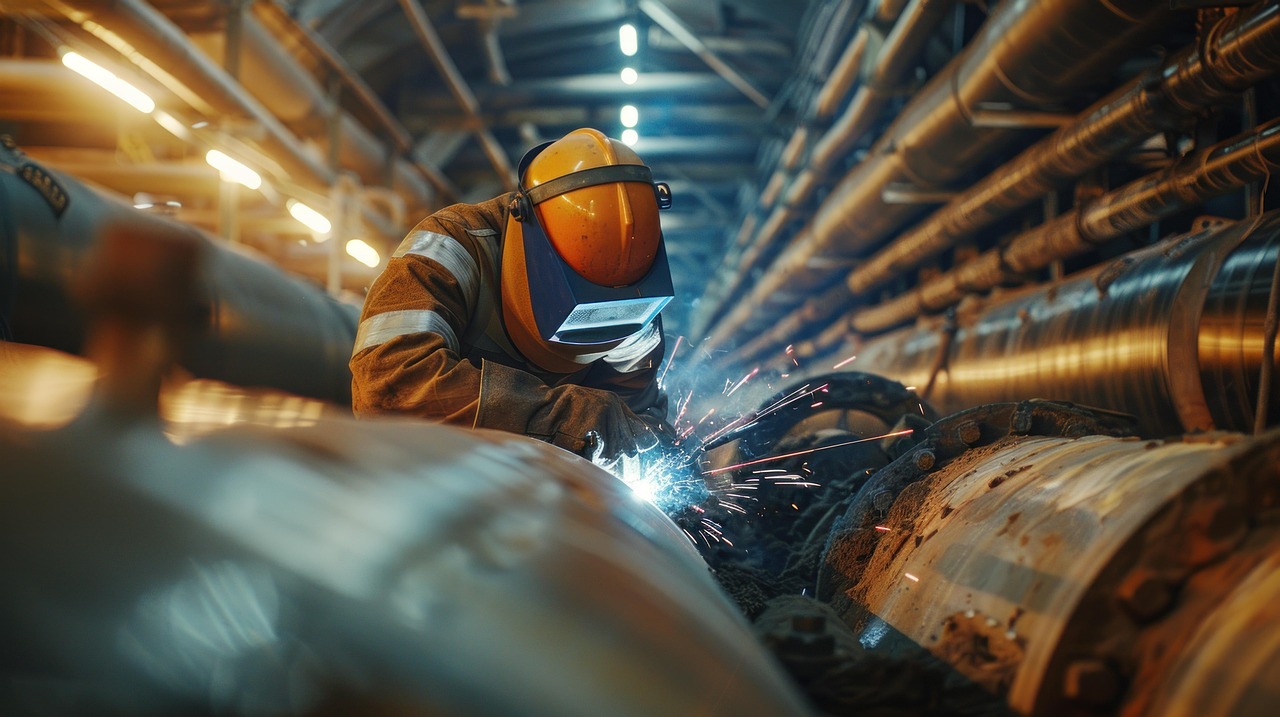

Gas Pipe Maintenance and Gas Leak Detection in Singapore
Gas safety is a non-negotiable priority for commercial kitchens, manufacturing plants, and large-scale industrial facilities across Singapore. Unlike residential settings, industrial operations involve higher pressures, greater volumes, and more complex piping networks. The consequences of a gas leak extend well beyond property damage. A single undetected leak can trigger explosions, force prolonged operational shutdowns, and expose facility owners to serious regulatory and liability risks. For organisations that depend on uninterrupted gas supply, proactive gas leak detection in Singapore and disciplined pipe maintenance are the foundations of safe, compliant operations.
Gas Systems Used in Commercial and Industrial Facilities
Commercial and industrial facilities in Singapore rely on several types of gas systems:
- LPG (liquefied petroleum gas): Commonly used in F&B outlets, hotel kitchens, and commercial food processing operations.
- Piped natural gas: Serves manufacturing plants, hospitals, and large commercial developments requiring a continuous, high-volume supply.
- Bulk gas storage systems: Deployed in heavy industrial settings where large on-site reserves must be managed.
All gas supply infrastructure falls under the regulatory oversight of the Energy Market Authority (EMA), with City Energy operating as Singapore’s primary gas network distributor. Any gas pipe installation, alteration, or maintenance work must comply with the Gas (Supply) Regulations.
Common Causes of Gas Leaks in Industrial Settings
In commercial and industrial gas systems, leaks most commonly arise from:
- Corrosion in large-diameter pipelines, particularly in humid or coastal environments
- High-pressure system failures caused by pressure surges or inadequate regulation
- Mechanical stress and vibration from heavy machinery operating near pipelines
- Poorly maintained valves, joints, and connectors that degrade over time
- Damage during expansion or retrofit works, where existing pipelines are disturbed without a proper survey
Each of these failure modes is preventable through regular inspection, certified maintenance, and robust gas leak detection systems.
Gas Leak Detection Methods in Singapore
Effective gas leak detection in Singapore requires a layered approach, combining fixed infrastructure with periodic inspection and smart monitoring technologies.
Fixed Gas Detection Systems
Fixed sensors installed at high-risk points (near joints, valves, and storage areas) provide continuous monitoring. These systems integrate with building management systems (BMS) to trigger automated alarms and, where configured, initiate emergency shutdowns without manual intervention.
Portable Gas Detection Devices
During scheduled inspections and confined space entry, technicians use portable gas detectors to survey areas not covered by fixed sensors. This is especially important during post-maintenance checks and the commissioning of new gas pipe installations.
Pressure and Integrity Testing
Hydrostatic and pneumatic testing verify pipeline integrity before commissioning and after any repair or alteration work. A soundness test, required under EMA guidelines, confirms that gas pipes are free from leaks before supply is restored.
Thermal Imaging and Smart Monitoring
IoT-enabled gas monitoring and thermal imaging cameras detect temperature anomalies and micro-leaks before they escalate into emergencies. These predictive maintenance systems reduce unplanned shutdowns and extend the service life of gas pipeline assets.
Importance of Preventive Gas Pipe Maintenance
Reactive repairs are costly. Preventive gas pipe maintenance in Singapore delivers measurable operational and financial benefits:
- Minimises fire and explosion risk by identifying degradation before it reaches a critical threshold
- Avoids operational downtime: a gas supply interruption can halt production lines or kitchen operations for days
- Extends asset lifespan of pipelines, valves, and associated fittings
- Reduces insurance and liability exposure through documented compliance with safety standards
Annual inspection of gas piping is an industry requirement in Singapore. EMA’s September 2025 amendments to the Gas Act 2001 now mandate that a designated prescribed person takes formal responsibility for inspection, maintenance, and repair, with a Certificate of Fitness (COF) issued by a qualified Licensed Gas Service Worker (LGSW) or Professional Engineer (PE).
Regulatory Compliance and Safety Standards in Gas Pipe Installation and Maintenance
For commercial premises, Singaporean regulations require that a Licensed Gas Service Worker or a Professional Engineer carry out all gas installation and maintenance work. Key compliance obligations include the following:
- Compliance with Regulation 16 of the Gas (Supply) Regulations for any works affecting pipeline integrity
- Issuance of a Certificate of Fitness (COF) following inspection
- Adherence to workplace safety and health (WSH) regulations, including risk assessments for confined space and high-pressure work
- Gas supply activation or deactivation to be conducted exclusively by City Energy or authorised agents
Engaging a gas pipe contractor who holds the necessary licences and certifications is a regulatory requirement, not a preference.
Emergency Response and Contingency Planning
In the event of a suspected gas leak:
- Immediately shut off the gas supply at the main valve if safe to do so
- Evacuate the premises and prevent re-entry until the area is cleared
- Contact City Energy’s 24-hour emergency hotline at 1800 752 1800 from a safe location
- Coordinate with the Singapore Civil Defence Force (SCDF) for large-scale incidents
- Document the incident fully (timeline, photographs, and actions taken) for regulatory reporting
A specialist gas engineering contractor can assist in developing site-specific emergency response plans as part of a long-term maintenance contract.
Why Engage a Professional Gas Pipe Contractor
Managing gas safety in a commercial or industrial facility requires more than reactive repair. A specialist gas pipe contractor brings the following:
- Technical expertise in high-pressure systems and large-diameter infrastructure
- Full certification: LGSW-supervised teams, ISO 9001:2015, ISO 45001:2018, and bizSAFE Level STAR
- End-to-end EPC capability: engineering design, gas pipe installation, pressure testing, commissioning, and ongoing maintenance under a single contract
- Long-term maintenance programmes with scheduled inspections, documented compliance records, and priority emergency response
Lih Ming Pte Ltd has delivered underground gas piping and gas installation services to commercial and industrial clients in Singapore since 2002. With ISO-certified processes and a track record as an SP Group TOP 5 contractor, Lih Ming provides the technical depth and compliance rigour that large-scale operations demand.
Gas Safety Is an Operational Imperative: Plan for It Before You Need It
Proactive monitoring, certified maintenance, and a qualified contractor relationship ensure your facility meets EMA standards and keeps operations running without interruption.
Partner with Lih Ming for safe, compliant gas pipe installation and maintenance in Singapore. Contact us.